“Okay, Momma. I’m going to go to dinner with my friend, Jen! I’ll talk to you later. I love you!”
…But the next day never came. Life was changed forever. And now… my mother is gone.
If you know the love of a mother like mine, you know what it’s like to stand on solid ground. But to lose a mother? It’s as if that foundation suddenly splits open beneath you without warning. Everything you know, the world around you, becomes unrecognizable. Nothing feels safe. Special moments that were once filled with immense joy are now tinged with emptiness and sadness.
The person who knew your heart better than anyone, who helped guide you through the unknown, is suddenly gone—leaving you to navigate the wreckage without their compass. It’s lonely. It’s terrifying. And you don’t just grieve for your mother—you grieve the innocent, naive child you were before you came face to face with death… before you had to learn how to live in a world without her and grow up too fast.
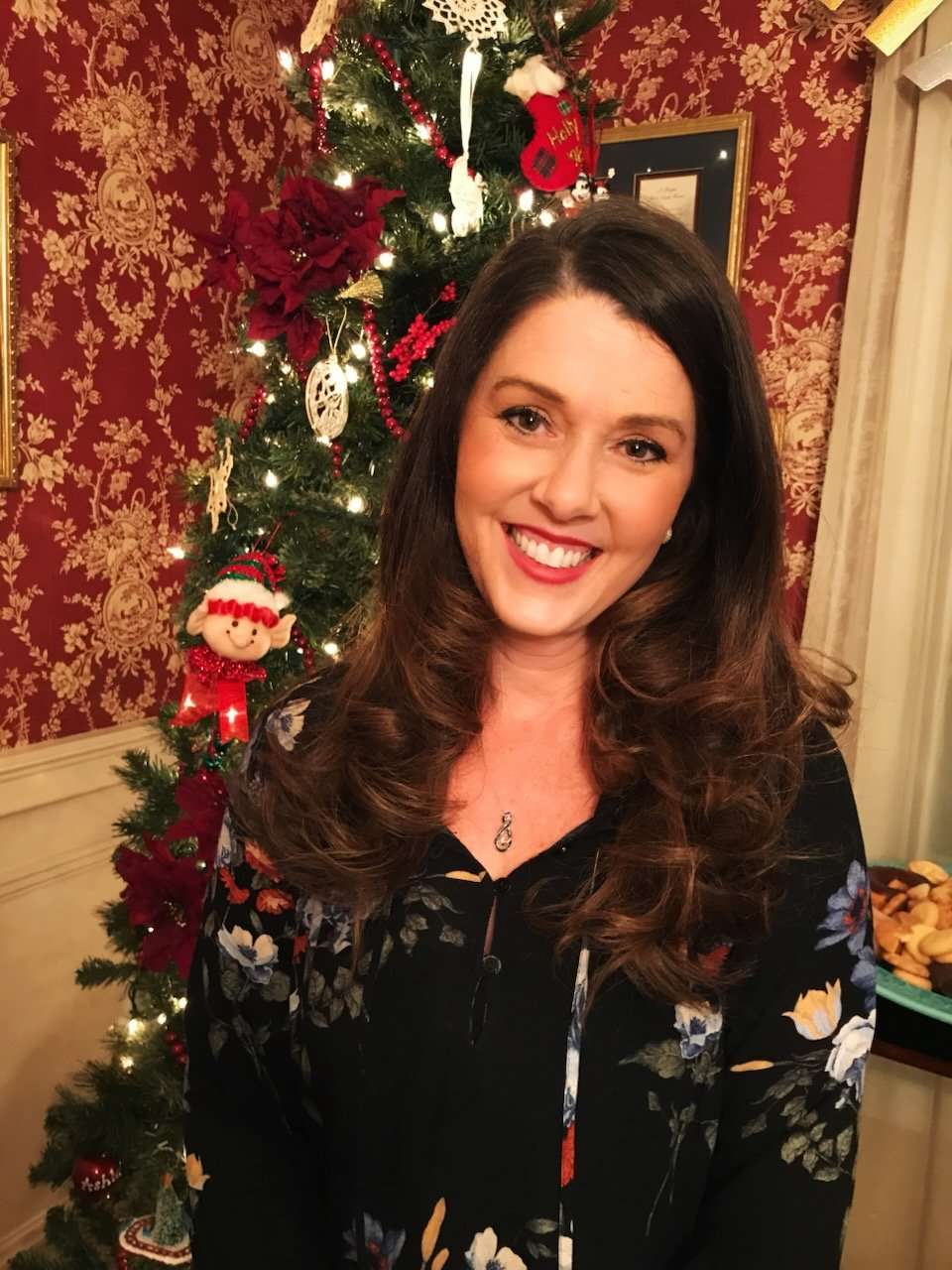
Who was Marianne Silva?
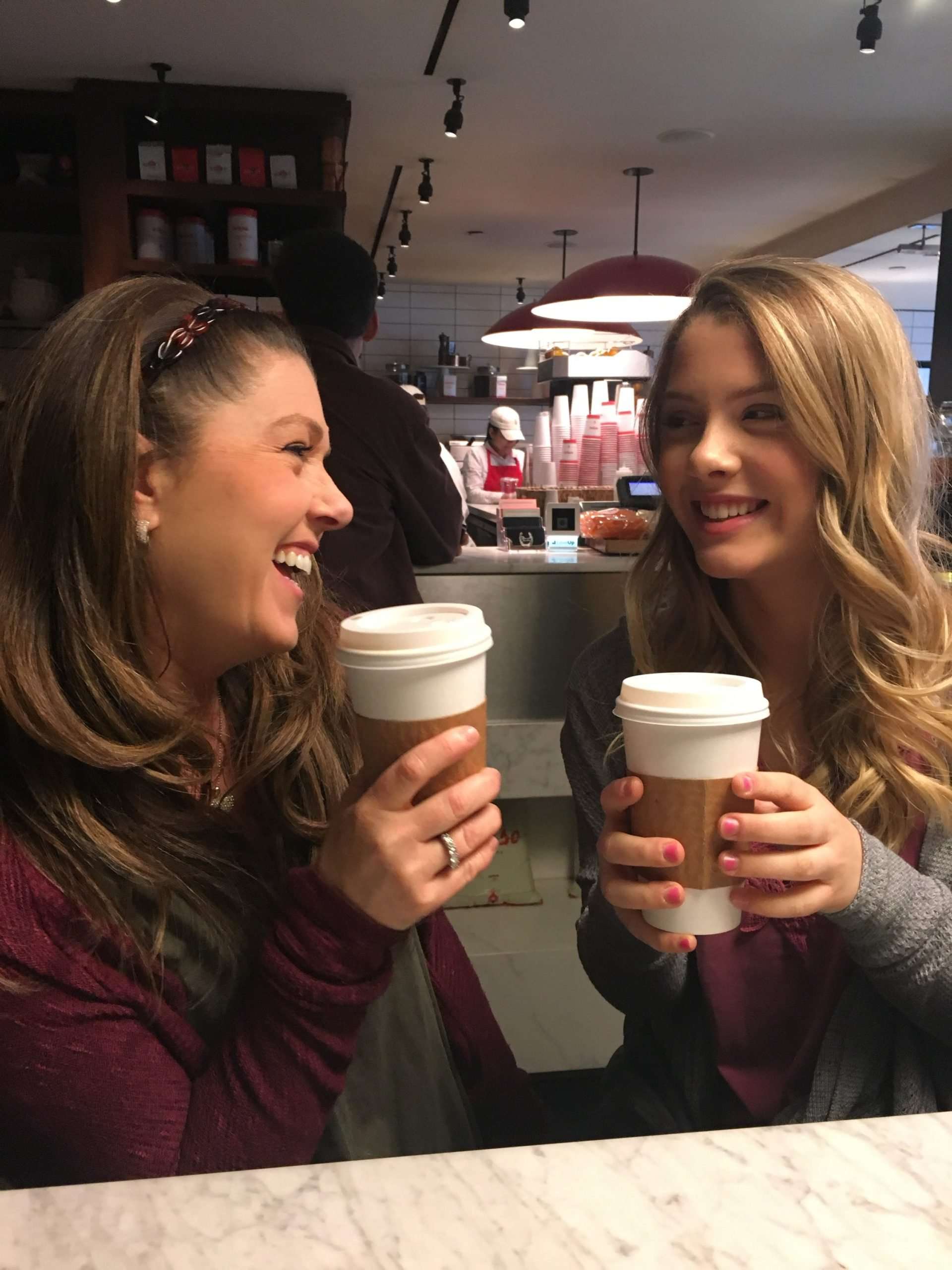
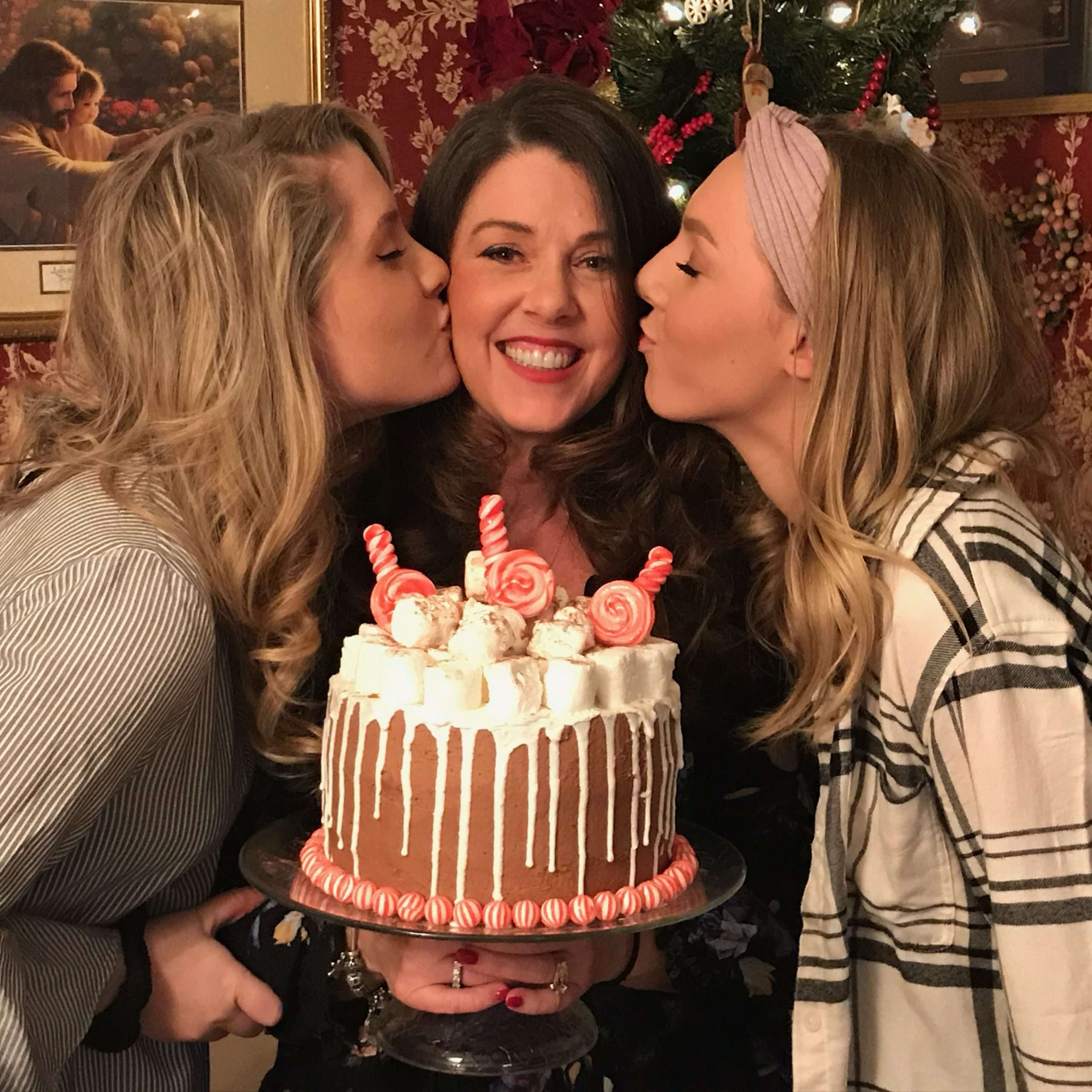
She was my mother—often described as “Mary Poppins.” My father and many who knew her said she was as close to perfect as a person could be. Seeing her angry was rare, and when she was upset, she cleaned. Maybe to release that energy in a healthy way? Maybe because her mind was wired not to lash out. It was almost unheard of to hear my mother scream.
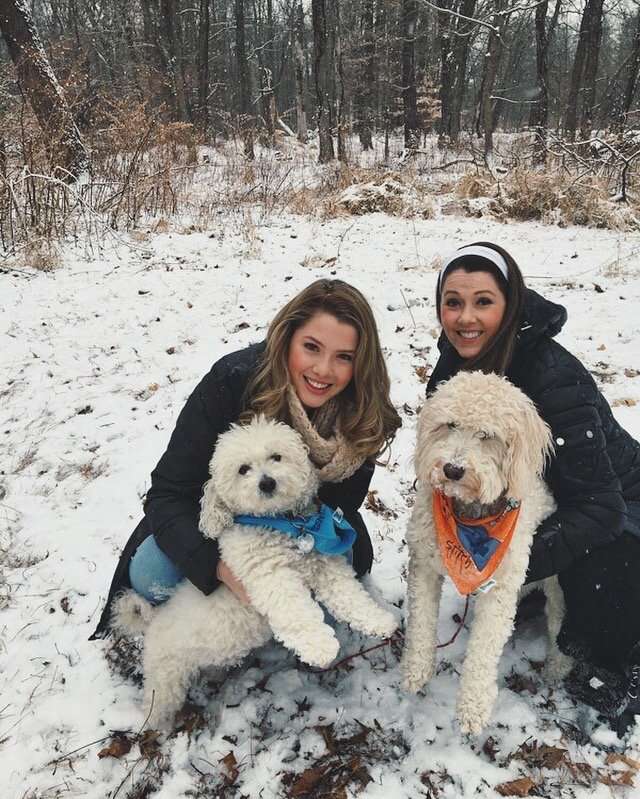
She was like a Disney princess. Animals adored her. She sang to our dogs and birds like Giselle from Enchanted. It was rare to see her without a smile on her face.
She loved Jesus with her whole heart. Every morning, I was greeted with a warm hug after she had finished sipping her coffee and reading her Bible—or reviewing the sermon from the Sunday before. She’d hold me tight and say, “Everyone needs at least 12 hugs a day!”—and she made sure I got all 12.
She prayed with me and for me. She was the original “vlogger” before vlogging was a thing—because I’m pretty sure our whole childhood was videotaped. She was tender, gentle, caring, and my role model. She was healthy, fun, and full of light.
The idea of someone like her being taken too soon felt completely unrealistic. Impossible.
So, you can imagine—after everything I’ve just described—how absolutely life-altering it was to get the call that my mother was unconscious. That we had lost her so suddenly… to a brain aneurysm.
July 19th
It was a beautiful day on July 19th. I was living with my best friend and her family at the time. I had just moved to Georgia to try something new. My parents had moved me down from New Jersey, and I had been living there for about a month.
I called my mom that day before heading to dinner with my friend, Jen. My momma, sister Ashley, and my brother, Joey, were working on a surprise for my dad, who had also been in Georgia on business for 2 weeks. I had seen him the day before—on July 18th. He was just a few hours away from me. My mom and siblings wanted to surprise him with an office makeover. She FaceTimed me and showed me the progress—the walls were painted, pictures were hung, and Joey had built my dad a computer. It was a labor of love.
After we said our goodbyes on the phone, I made my way to Atlanta. As I was sitting at dinner, I began having a terrible headache—so intense it made me feel physically sick. I knew I had to leave. The entire car ride home, I was holding back from getting sick. When I got home, I threw up and reached for my phone to call my mom—the person I always called when something wasn’t right.
Meanwhile, unbeknownst to me, my mother was experiencing the worst headache of her life at the same time. Now looking back… it was as if I was feeling her pain since I was not physically there with her.
My brother and sister were outside doing yard work with her around 8 PM when she began describing intense pain. My siblings said she was trying to find relief in any way she could—holding her head, lying down, throwing up. My brother researched her symptoms and said, “Mom, I think it’s a brain aneurysm.”
“It can’t be that,” she replied.
She eventually collapsed on the floor of her bedroom—my brother holding her, my sister doing everything she could to help, calling the rest of our family. My mom began to say, “I love you, Joey,” to my brother. Then she whispered, “Jesus,” over and over again, tears streaming down her cheeks… and then she became unresponsive.
Flashback to me—just as I was about to hit “call mom,” my sister called me.
“Are you with Dad?” Ashley asked urgently.
“No… why?” I said.
“Mom is unconscious. Uncle Les is here. The ambulance is on the way.”
I genuinely don’t remember what I said in those moments. I immediately called my dad and merged him into the call.
“Dad, Mom is unconscious.”
“What?” he said, in shock.
My dad got on the line with the paramedics.
“Mr. Silva,” they said, “we’re going to do everything we can to save your wife.”
An hour later, I got a FaceTime call from my cousin.
“Holly… your mom had a brain aneurysm.”
My heart sank, and the sound I made—this guttural, aching groan—was unlike anything I’d ever felt before. It was pure terror.
The next morning, my father and I boarded the earliest flight to New Jersey. He had been in the middle of nowhere in Georgia and had no way of getting to the airport until the next morning. I can’t imagine the helplessness he felt throughout that night. I know he didn’t sleep a wink.
When we landed in New Jersey, everything moved in a blur. Seeing my mother on tubes, her eyes lifeless, was unexplainably painful. The only thing our family knew to do was pray and hope she would wake up.
At first, the doctors told us she was healthy and the aneurysm was unruptured. But later, we were pulled into that dreaded conference room—the first of many painful meetings during those 19 days in the hospital. That’s when we were told there had been a miscommunication.
“We don’t know who told you that. Marianne suffered a stage 4.5 brain aneurysm, and the damage is irreversible. The best possible outcome would be a vegetative state.”
That conference room became a place of dread, heavy with anxiety and fear for my entire family. Even writing about it now brings tightness to my chest and tears to my eyes. I can still picture my brother and sister sitting across from me, trying to process the most gut-wrenching news of their lives.
I prayed more than I ever had in my life. I sought God more deeply than ever before. And I prayed for peace—no matter the outcome. Before we received the final results of all the tests, my mom visited me in a dream. She hugged me one last time and said, “They couldn’t fix my brain.” It was as if she was the one breaking the news to me. And somehow, I needed to hear it from her.
The next morning, we were called back into that same room and told:
“We’ve completed all tests. We have confirmed that Marianne is brain dead. There is no brain activity. In the state of New Jersey we need to begin the process of taking her off of life support.”
I’ll never forget the look on my sister’s face. As the oldest sibling, all I wanted to do was protect them from this kind of pain.
While we were in the hospital, I read my mom’s Bible. Inside were handwritten prayers for each of us and for my dad, along with underlined verses and quotes she had treasured. One read, “Never be afraid to trust an unknown future to a known God.” Another: “You never know Christ is all you need until He is all you have.” And to me, those quotes couldn’t have been more true and needed.
We read over her Psalm 118:17—“I will not die but live, and will proclaim what the Lord has done.” That page in her Bible was stained with the tears of my entire family. Sometimes I turn to it now, and it feels like a moment frozen in time—a place where I can physically see how God captured each of our tears.
We read that verse with all the faith in the world that she would live on this side of heaven.
Now, I understand: she is living more fully than ever in heaven, and her legacy lives on—telling everyone what God has done in her life and through her life.
One of the ways I believe God is using her story is to raise awareness for brain aneurysms, so that more people can have a second chance at life. My family and I simply want to tell the world about my mom—about her light—and to bring awareness so others can keep their mothers and all loved ones a little longer.
Someone asked me today how I coped with losing my mom. The truth is, my faith has healed pieces of my heart that no human ever could. Another way I’ve coped is by sharing her story. It’s been almost four years without my mom. The grief still comes in waves. Recently, my father and I participated in Brain Aneurysm Advocacy Day to share my mom’s story alongside The Bee Foundation. I met so many incredible people—survivors, and loved ones of those who were taken too soon. I learned about the staggering statistics: how many people suffer each year, and how little research and funding exists for something that claims so many lives. Lives that should still be here.
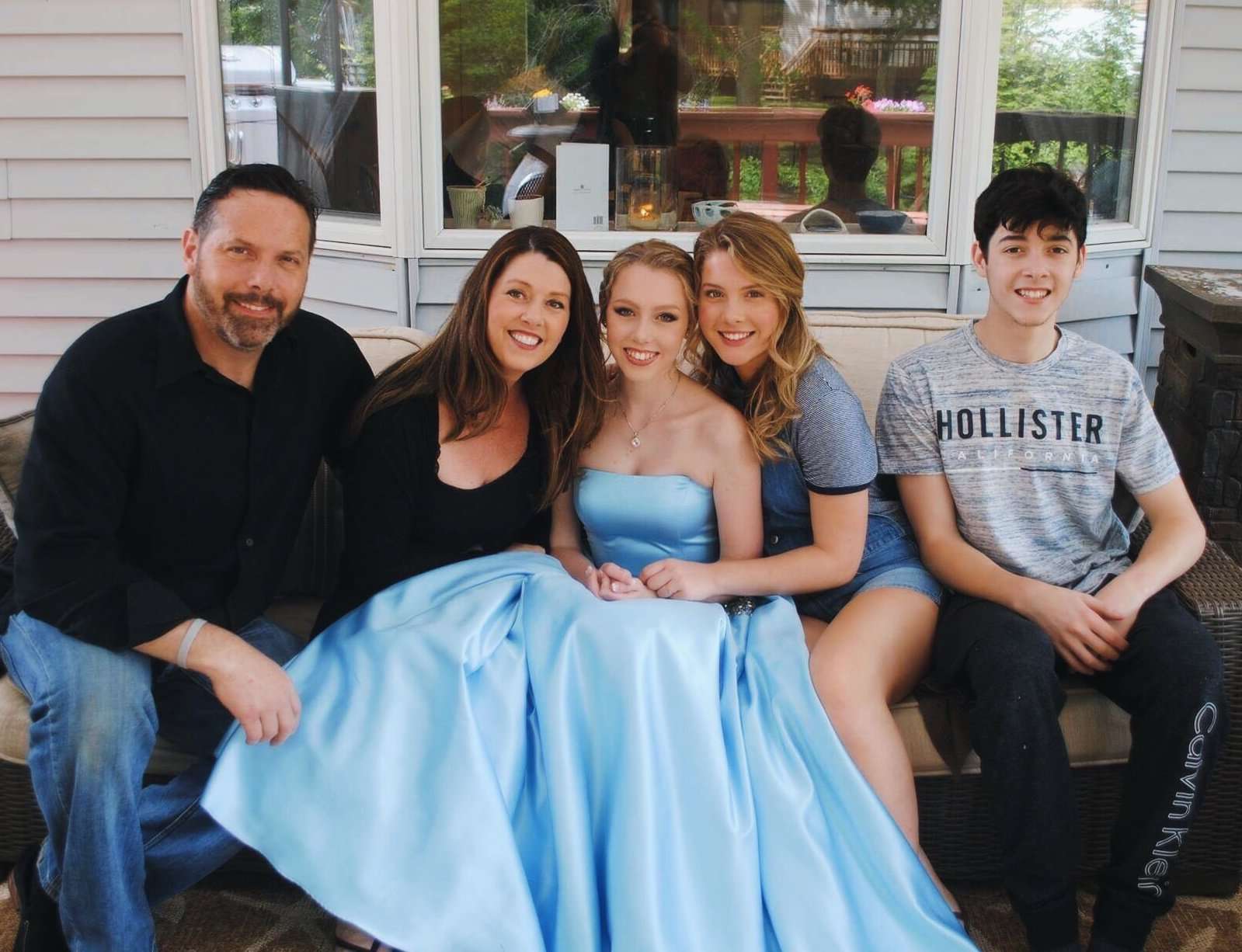
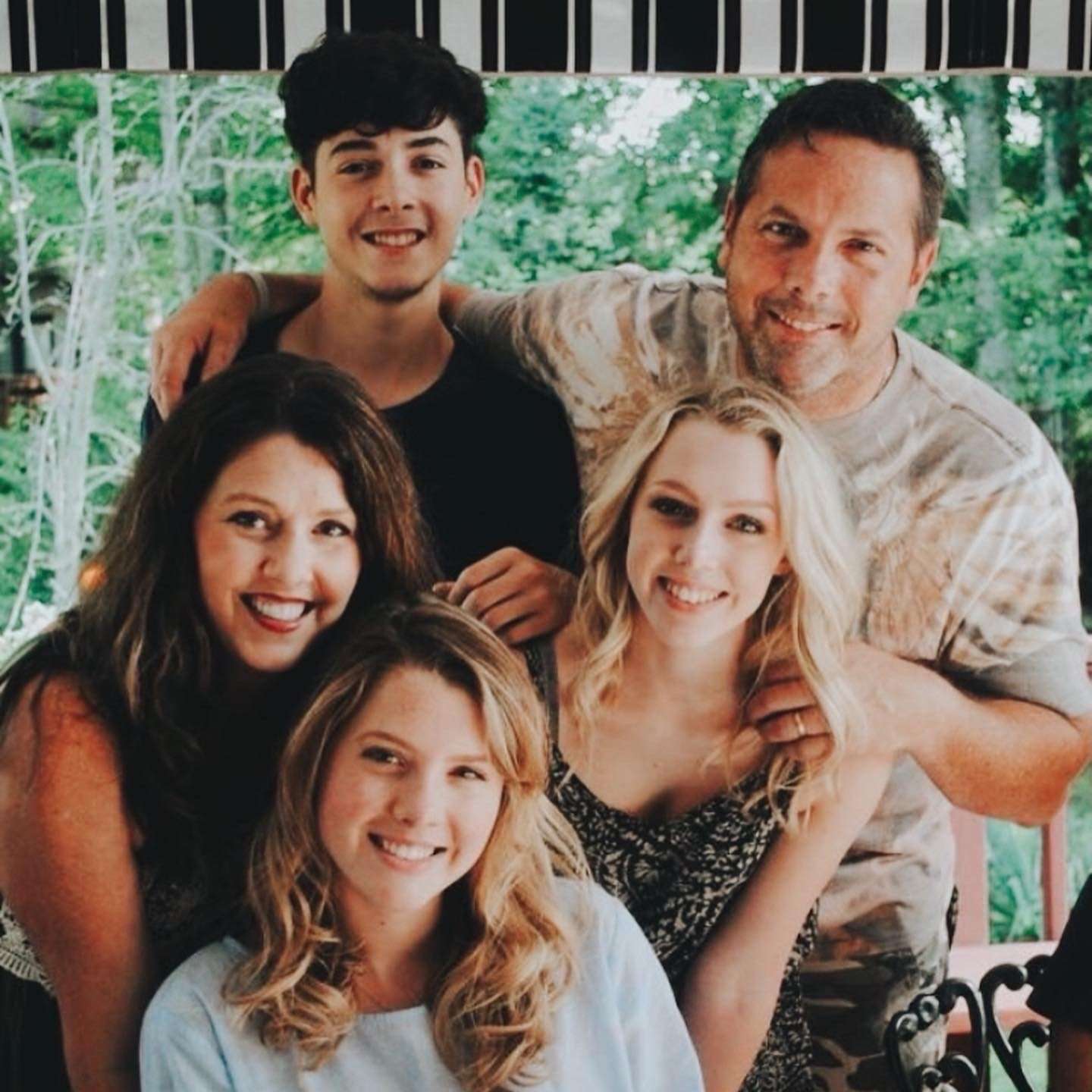
My mom didn’t want to die. She was in the harvest season of her life. She had poured so much into her children, and just as we were all starting to spread our wings, she was taken. Our family dynamic has never been the same. At my sister’s wedding, a single rose sat on my mother’s empty chair. My brother got married too, and I sang her favorite song in her absence. We do our best to fill the empty spaces—but no one can truly fill someone’s shoes. I’ve tried to be what my siblings needed, but there’s no replacement for my mother.
My prayer is that change will come. That funding will increase. That research will advance. That testing for brain aneurysms will become part of a standard check-up, like an annual physical. Imagine how many lives could be saved? It may be too late for our family. But it doesn’t have to be too late for yours.
So, Mom—I will keep fighting for you. I will keep sharing your story. And I will continue to lean on the faith you passed down to me—to make a difference on this side of heaven, until we meet again.