Recovering from a brain aneurysm is a journey that looks different for everyone. While physical activity is an important part of overall health, returning to movement after an aneurysm can be daunting. Patients often wonder: When is it safe to exercise? What types of activities are best? What should I avoid?
The good news is that, with the guidance of medical professionals, many people can gradually return to physical activity and regain strength, mobility, and confidence. This blog will explore safe ways to ease back into movement while prioritizing brain health.
Why Is Physical Activity Important After a Brain Aneurysm?
After an aneurysm, movement plays a key role in:
✅ Preventing complications – Gentle activity can improve circulation and reduce the risk of blood clots.
✅ Regaining strength and coordination – Some individuals experience weakness, balance issues, or fatigue after an aneurysm. Exercise can help restore muscle strength and mobility.
✅ Enhancing mental health – Physical activity releases endorphins, which can help combat stress, anxiety, and depression often associated with recovery.
✅ Promoting overall brain health – Exercise supports neuroplasticity, the brain’s ability to heal and adapt after injury.
 When Can You Start Exercising Again?
There’s no one-size-fits-all timeline for resuming activity. Your doctor’s guidance is the most important factor. In general, light movement can often begin within a few weeks, but more strenuous activity may require a longer recovery period.
Some factors that influence when you can return to exercise include:
- The type of aneurysm you had (ruptured vs. unruptured)
- Whether you had surgery (such as clipping or coiling)
- Your overall health and any post-aneurysm symptoms
- Your doctor’s specific recommendations
Safe Activities to Start With:
It’s best to ease into activity with low-impact, low-intensity movements that minimize strain on the body. Some good options include:
- Short walks – Start with 5–10 minutes and gradually increase duration as tolerated.
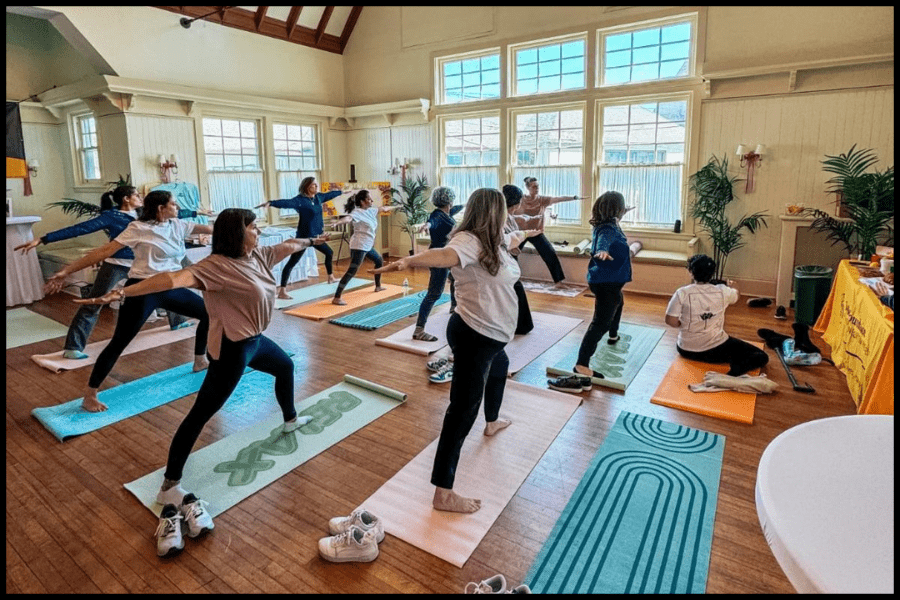
- Stretching and yoga – Gentle stretching can improve flexibility and circulation. Chair yoga is a great starting point.
- Seated exercises – Resistance band exercises or light hand weights can help rebuild strength.
- Balance training – Simple standing exercises, such as shifting weight from one foot to the other, can improve stability.
TBF Ambassador Spotlight: Getting Back to Movement with Kavita Basi
I used to love dancing because music and movement would create happy endorphins. It was something that really gave me life.
After suffering my SAH it completely changed my whole experience of music & dance. I remember being so excited to go back to my gym to take a Zumba class and just be free listening to some of my favourite music and just dance with others – I was looking forward to being back in routine.
Unbeknown to me I was now neurodiverse. I couldn’t keep up with the music , my mind was processing the information from the instructor much slower than others, I couldn’t understand why I wasn’t grasping the left from my right and following the steps correctly. This wasn’t me! Why was I so different?
I completely sobbed when I returned home as it was a huge shock and took me time to realise I wasn’t the same person which completely knocked my confidence.
My next few visits were to try other slower beginner classes and slowly I integrated back into my original Zumba class and as my confidence grew and acceptance of the new me. I started to enjoy my dance again, if they said left I would still go right. If I missed a move I just didn’t care. The only thing I cared about was that I was dancing to music and doing something I really loved.
10 years have passed now and I have learned to accept the new me. My slower exercise yoga & meditation has also grown over the years and I’ve learned to love this even more, it’s given me balance, strength, happiness.
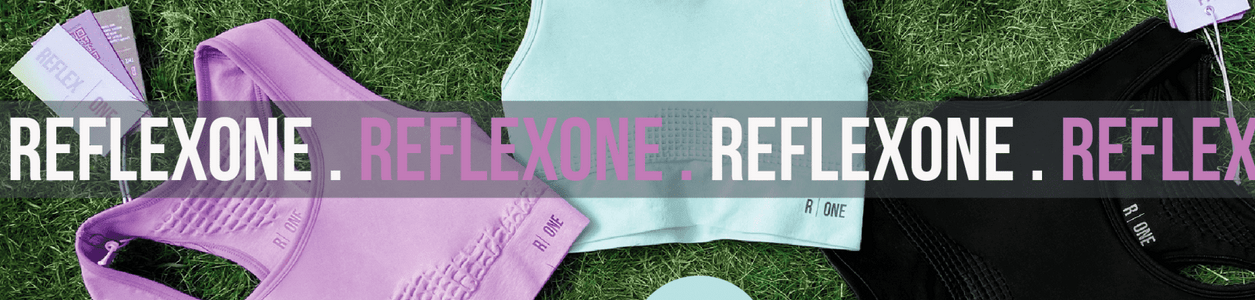
Hearing real experiences from survivors reminds us that each journey is unique, and small steps forward are worth celebrating. Kavita created her own brand, Reflex One, an activewear line made from certified recycled plastic & organic materials. 5% of profits are donated to TBF, to help on our mission to raise awareness of brain aneurysms and increase funding for innovative research that changes lives.
Activities to Approach with Caution:
Some activities pose a higher risk for individuals recovering from an aneurysm, especially if they involve:
⚠ Heavy lifting – Lifting heavy weights can raise blood pressure, which may increase the risk of complications.
⚠ High-intensity exercise – Strenuous workouts, such as running or spinning, should only be resumed with medical clearance.
⚠ Contact sports – Activities like football or boxing carry a risk of head trauma and should generally be avoided.
Listening to Your Body:
While staying active is important, it’s equally crucial to recognize your limits. Pay attention to warning signs that indicate you may be overexerting yourself:
❌ Dizziness or balance issues
❌ Headaches or pressure in the head
❌ Nausea or blurred vision
❌ Extreme fatigue
If you experience any of these symptoms, stop the activity immediately and consult your doctor.
Final Thoughts:
Getting back to physical activity after a brain aneurysm can feel overwhelming, but small, gradual steps can make a big difference in rebuilding strength and confidence. Work closely with your healthcare team, start slow, and prioritize listening to your body.
Every recovery journey is unique, and progress may take time—but with patience and persistence, movement can once again become a joyful and empowering part of life.